
 EN
EN
 AR
AR
 HR
HR
 CS
CS
 DA
DA
 NL
NL
 FI
FI
 FR
FR
 DE
DE
 EL
EL
 HI
HI
 IT
IT
 JA
JA
 KO
KO
 NO
NO
 PL
PL
 PT
PT
 RO
RO
 RU
RU
 ES
ES
 SV
SV
 TL
TL
 IW
IW
 ID
ID
 LV
LV
 LT
LT
 SR
SR
 SK
SK
 UK
UK
 VI
VI
 SQ
SQ
 HU
HU
 TH
TH
 TR
TR
 AF
AF
 MS
MS
 BN
BN
 MN
MN
 KK
KK
 KY
KY
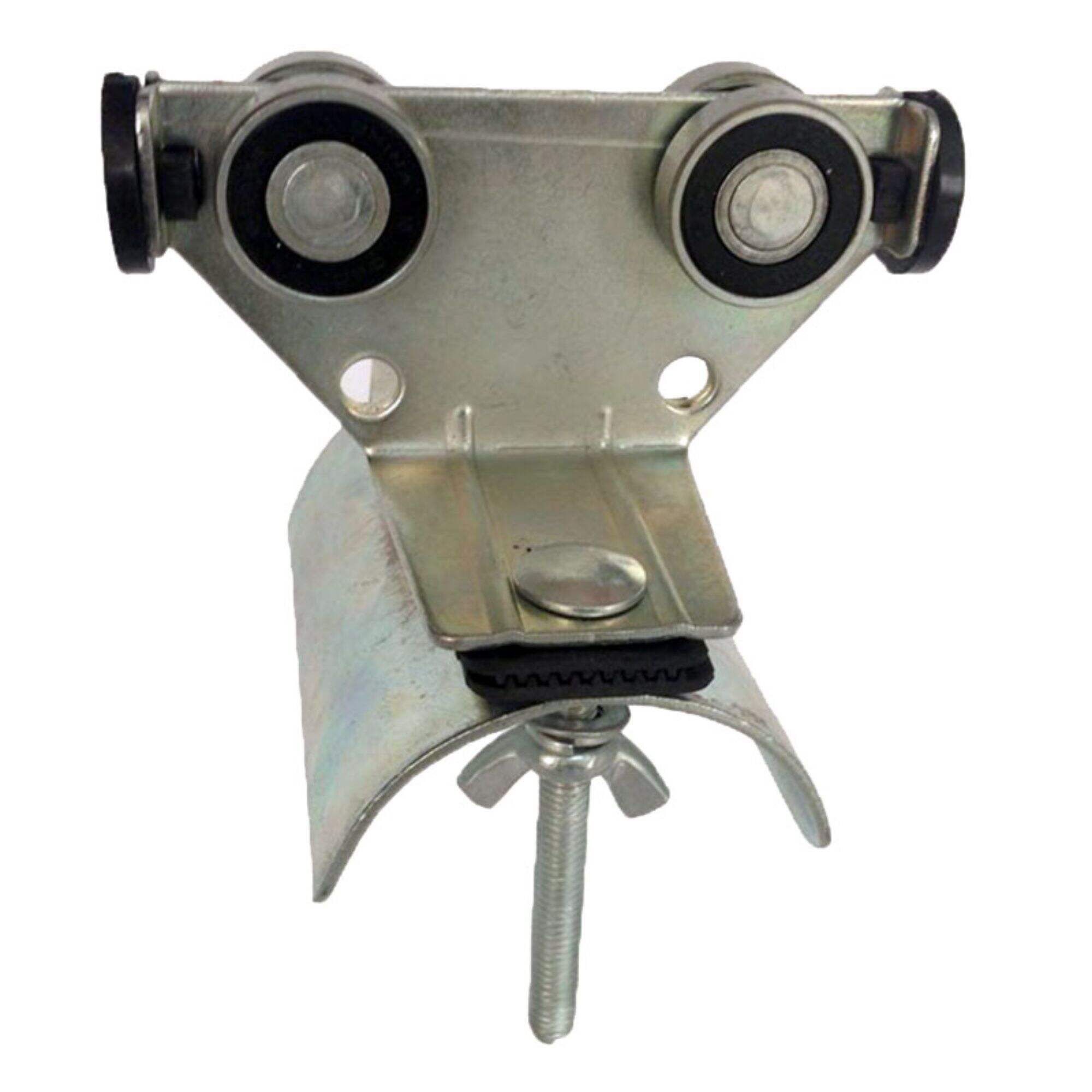
Installing conductor rails are very important for many industry, specially in places with heavy machines that need move power safe. At KOMAY we know that install them the right way is real vital. When you do it correct, these rails can give power to equipment smooth and without danger. This article look at main standards for putting conductor rails, and also common troubles that happen in installation. So you can understand how make your setup as safe and good as possible.
What Are the Key Installation Standards for Conductor Rails?
When you installing conductor rails, need follow certain rules so everything work proper. First always check the material you using. Good rails made from high quality stuff that handle weight and stress they face. For example, the rail have to be strong to carry electrical load without bend or break. Next thing is mount them correct, use right fasteners and make sure all level. If rail is tilt, it cause uneven power or even accident sometime.
Another important is spacing. Distance between rails and machines should enough to avoid accidents. Like if person or machine come too close, can make short circuit or dangerous thing. And regular check for maintenance need be in plan. This mean look at rails often see if wear down or problem. Finally follow local rules too, because every place have different law for electrical install, so stay inform. With this standards, your conductor rail setup can be safe and work well.
What Common Installation Issues Arise with Conductor Rails?
Even you try best, problems still come up when install conductor rails. One usual trouble is misalignment. If rails not straight, power get interrupt. This make machines stop sudden, bad for work speed. Another is use bad material. Some choose cheap one to save cost, but then rails not last, they rust or break easy, cost more repair and safety risk.
Sometime installers not tight rails enough. Loose one vibrate when work, cause wear fast and make danger place for workers. Also some forget about environment. For example in wet area, rails need extra protect from corrosion.
Training is real important too. If people not train good, they miss steps. That’s why at KOMAY we teach our team and clients about best way install. By know this common issues, you can avoid them and make rails work good keep safe.
Where Are Conductor Rails Commonly Used in Industrial Applications?
Conductor rails very needed in places where electricity run machines and stuff. You see them in big factories, warehouse, even for train power. In factory they bring power to machines that produce things. Special for assembly lines where many machine work together fast. When connect to rails, they get steady electricity so run smooth.
Also in warehouse for move heavy items, like big cranes lift boxes need power. Rails give that, usually mount on ceiling or wall, not take floor space. Helpful in busy area with people and machine move a lot. And in transport like trains, conductor rail system supply power so no need diesel.
This make work easier and quicker. At KOMAY we know business need reliable power. That why we make high quality rails that stand busy industrial use. So whether factory or train station, conductor rails help keep everything run smooth.
What Factors Influence the Quality of Conductor Rails During Installation?
Many things affect quality and how conductor rails perform when install. First material choice very key. Good material make rails handle heavy load and give stable power. At KOMAY we use strong durable one that last years. Important in busy place with much movement.
Installation process itself also matter. Must follow right steps to avoid problem later. Like if not align correct, cause electrical trouble or damage machines. Workers need train well know what do. They check distance between rails and height install.
Environment condition play role too. In wet or humid place, choose material resist moisture to prevent rust. And regular maintenance after install is must. Check rails often keep work good. At KOMAY we say have maintenance plan for conductor rails so everything stay smooth.
How to Troubleshoot Common Problems with Conductor Rail Installations?
Even when seem all perfect, trouble can still happen with overhead conductor rail system setup. Know how fix them important to keep machine run. One common is machine stop because not enough power from rails. Often because loose connection. To fix, check all connect make sure tight. If loose, tighten careful and test machine again.
Another problem maybe rails misaligned. This cause uneven power, machine act weird or not work. If think so, see if rails straight and position right. Adjust if off, maybe use level tool help.
Dirt or debris sometime build up on rails cause electrical issue. Clean regular prevent this. Use soft cloth or brush remove dust. At KOMAY we suggest routine clean schedule for rails good shape. If still problem after check connect, align, clean, better call professional. Expert help save time fix correct. By know troubleshoot this issues, workers keep machines efficient and safe.
Table of Contents
- What Are the Key Installation Standards for Conductor Rails?
- What Common Installation Issues Arise with Conductor Rails?
- Where Are Conductor Rails Commonly Used in Industrial Applications?
- What Factors Influence the Quality of Conductor Rails During Installation?
- How to Troubleshoot Common Problems with Conductor Rail Installations?